Welcome
I am a professor at Rotterdam School of Management, Erasmus University Rotterdam, where I study how the brain produces the decisions we make: whether we are honest, what we like, and what persuades us to change our minds. Much of what drives these choices is information people cannot, or will not, put into words. I use fMRI, EEG and machine learning to read it from the brain, and I test whether what we read in our lab predicts behavior in people out there in the real world.
My current work follows four lines: decoding psychological processes such as emotion from brain activity; studying brain responses to naturalistic stimuli such as movies and ads; the neural basis of cheating and deception; and neuroforecasting, using the brains of a few people to predict what a market will do. Some current projects are listed below. For a more accessible introduction, see the blog.
Current projects
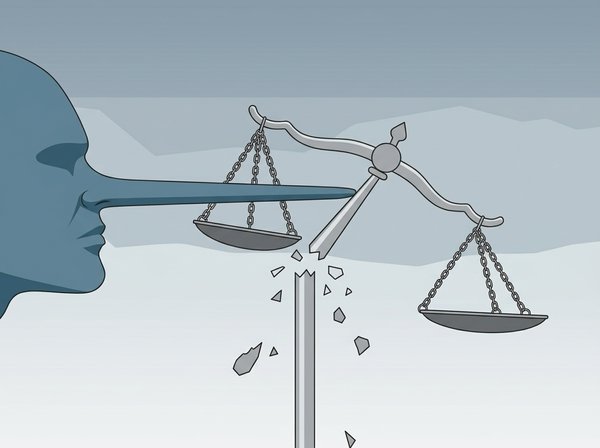
Cheating, dishonesty and deception
Every day we face a conflict between the temptation to cheat for personal gain and the wish to see ourselves as a good person. We use brain imaging to study how the brain settles that conflict, and why some people end up honest while others do not. Our main finding turns the usual story on its head: willpower does not simply suppress cheating. It makes habitual cheaters more honest, but it makes honest people more likely to cheat.
Decoding mental states from (consumers’) brains
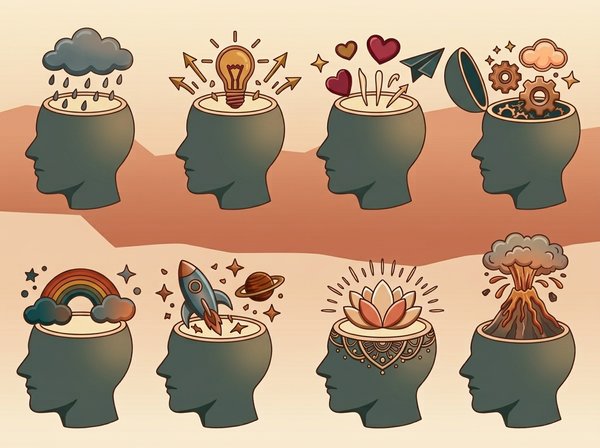
The mind is largely a black box: we can see what goes in and what comes out, but not the feelings and thoughts in between. We use machine learning to read those hidden states from patterns of brain activity. This lets us follow, second by second, how an ad or film trailer makes people feel, and find out which of those responses make people like an ad, including responses they could not easily put into words themselves.
(Neuro)forecasting consumer choices
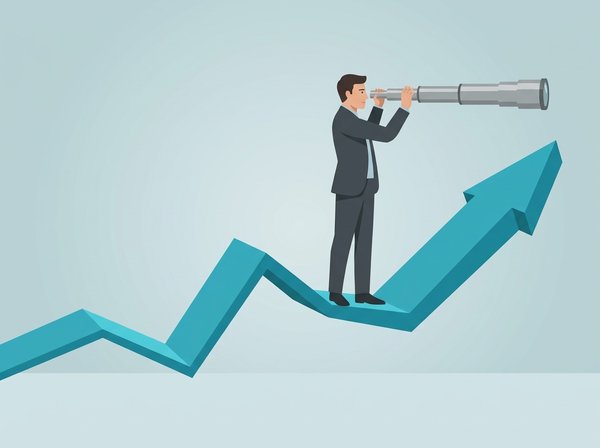
Can the brains of a few people tell us what millions will do? In this line of research, we show that brain responses measured in a small group can predict how a whole market responds: which movies will do well at the box office, which ads people will like and remember, and even which stocks will perform well. Often, brains reveal more than what their owners say they prefer.
From the blog
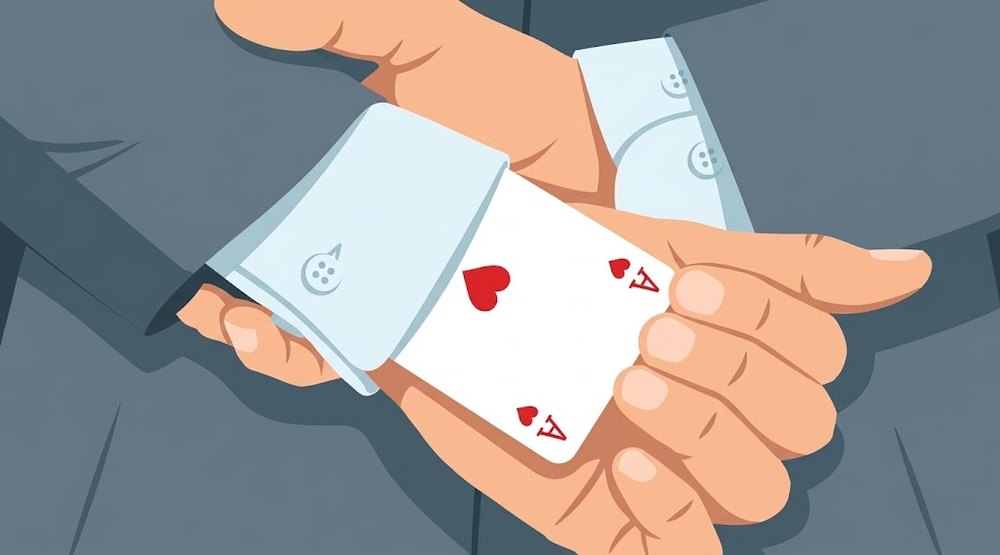
Honestly Dishonest: The Cheating Brain Unmasked
Are people good or bad by nature, honest or dishonest? What actually goes on in our heads when we decide to be honest or dishonest? And does a fraudster's brain really look different from that of an honest person? Neuroscience is shedding new light on these questions.
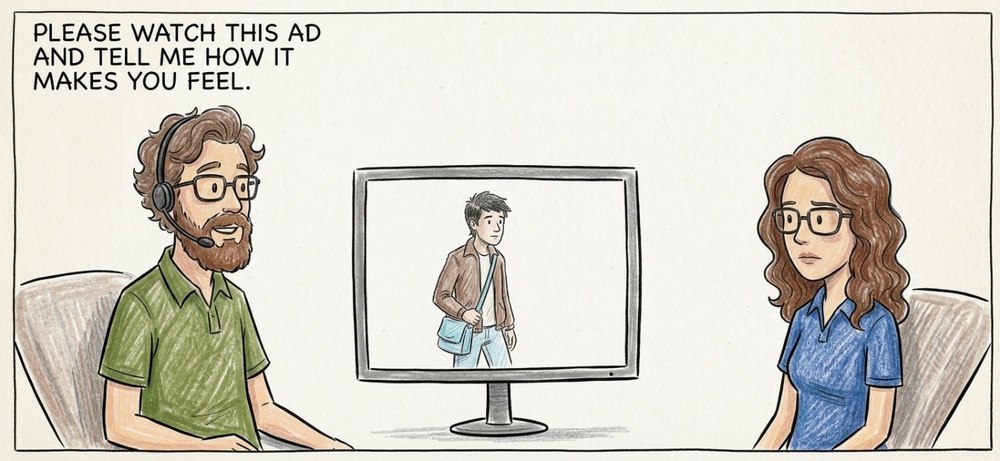
Reading the Consumer’s Mind: What Your Brain Knows About Heineken (and Durex)
What do you really feel when you watch an ad? Could you even tell me if you wanted to? What happens when we stop asking people these questions and start looking inside their brains instead?
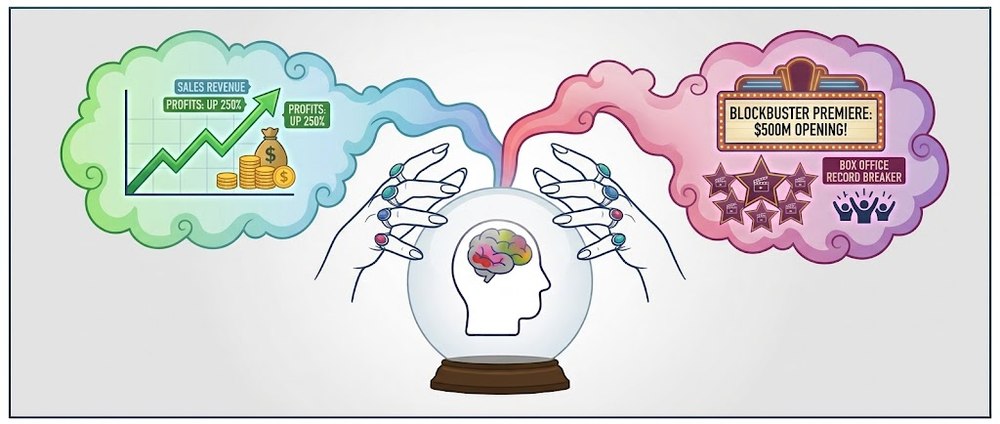
Predicting Hits: What a Few Brains Can Tell Us About Millions of Consumers
Is it possible to predict whether a movie will be a hit, an ad will go viral or a health campaign will make people quit smoking, before it ever reaches the public? And what if the best predictor is not what people tell you, but what their brains are doing?
Recent publications
Genevsky, A.G., Boksem, M.A.S. In: Smith, D.V., Lockwood, P.L., Fareri, D.S. (eds), Neuroeconomics: Core Topics and Current Directions. Springer
Bigne, E., Boksem, M.A.S., Casado-Aranda, L.A., Garcia-Madariaga, J., Gier-Reinartz, N.R., Guerreiro, J., Loureiro, S., Kakaria, S., Smidts, A., Wedel, M. Psychology & Marketing, 42, 2616-2649
Boksem, M.A.S., Van Diepen, R.M., Eijlers, E., Boekel, W., Smidts, A. Journal of Marketing Research, 62(4), 703-720