11 maart 2026
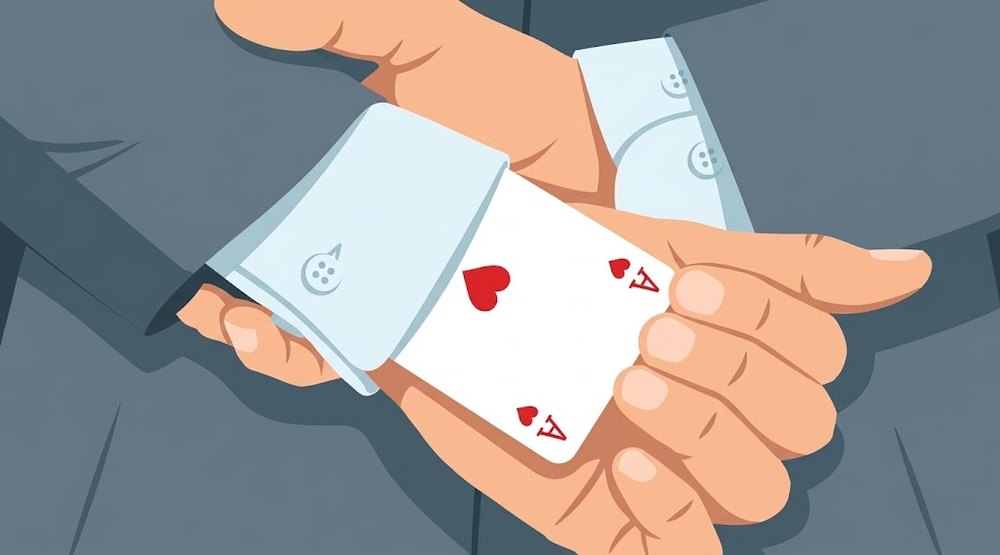
Zijn mensen van nature goed of slecht, eerlijk of oneerlijk? Wat gebeurt er eigenlijk in ons hoofd wanneer we besluiten eerlijk of oneerlijk te zijn? En ziet het brein van een fraudeur er wezenlijk anders uit dan dat van een eerlijk persoon? Neurowetenschappelijk werpt nieuw licht op deze vragen.
dishonestycognitive controlfMRI
11 March 2026
Are people good or bad by nature, honest or dishonest? What actually goes on in our heads when we decide to be honest or dishonest? And does a fraudster's brain really look different from that of an honest person? Neuroscience is shedding new light on these questions.
dishonestycognitive controlfMRI
11 maart 2026
Zijn mensen van nature goed of slecht, eerlijk of oneerlijk? Wat gebeurt er eigenlijk in ons hoofd wanneer we besluiten eerlijk of oneerlijk te zijn? En ziet het brein van een fraudeur er wezenlijk anders uit dan dat van een eerlijk persoon? Neurowetenschappelijk werpt nieuw licht op deze vragen.
20 min leestijd
dishonestycognitive controlfMRI
11 March 2026
Are people good or bad by nature, honest or dishonest? What actually goes on in our heads when we decide to be honest or dishonest? And does a fraudster's brain really look different from that of an honest person? Neuroscience is shedding new light on these questions.
20 min read
dishonestycognitive controlfMRI
4 March 2025
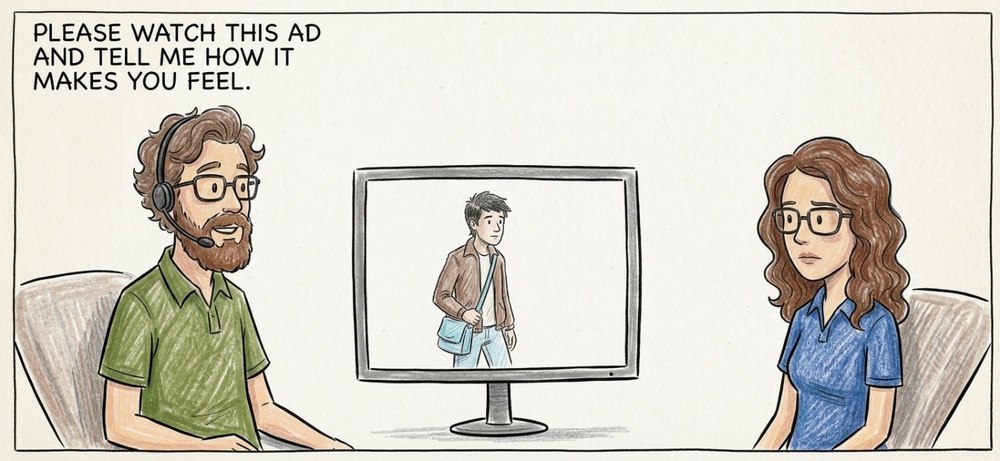
What do you really feel when you watch an ad? Could you even tell me if you wanted to? What happens when we stop asking people these questions and start looking inside their brains instead?
18 min read
decodingneuromarketingEEGfMRI
4 March 2025
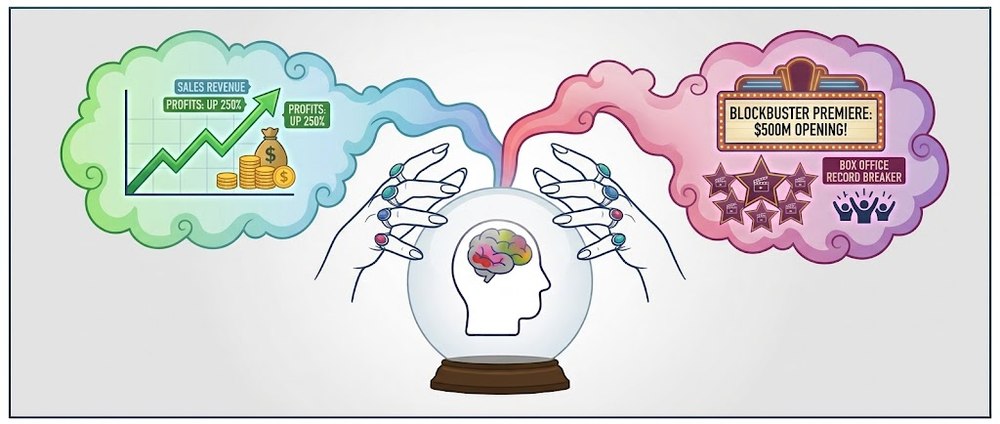
Is it possible to predict whether a movie will be a hit, an ad will go viral or a health campaign will make people quit smoking, before it ever reaches the public? And what if the best predictor is not what people tell you, but what their brains are doing?
18 min read
neuroforecastingneuromarketingEEGfMRI
7 juni 2021
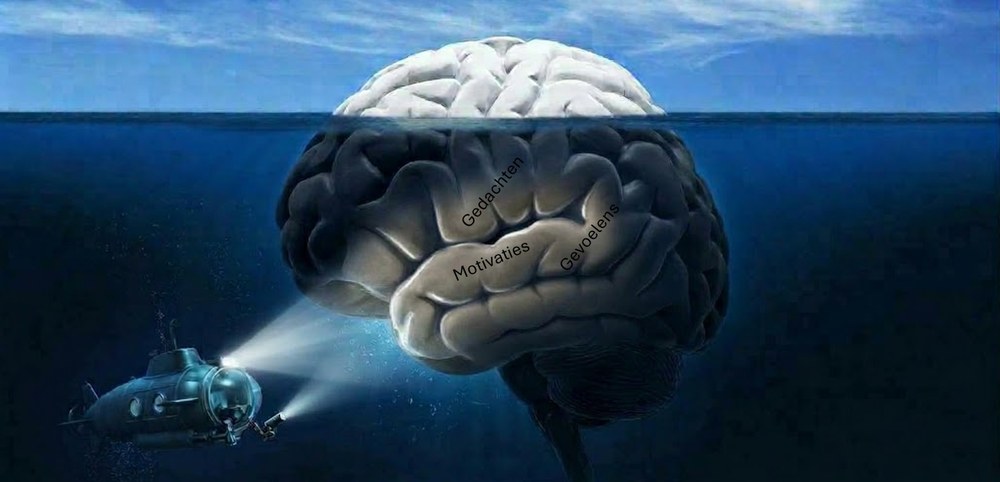
Wat is de toegevoegde waarde van het toepassen van neurowetenschappelijke methoden zoals EEG en fMRI in marketing? Kunnen we emoties meten in de hersenen? Kunnen we merkassociaties aflezen uit het brein? Kunnen we met hersenreacties koopgedrag beter voorspellen?
23 min leestijd
neuromarketingdecodingneuroforecastingEEG
7 december 2024 · Quest
Over valsspelen bij gezelschapsspellen als Monopoly en Catan. Ons onderzoek wordt aangehaald, waaronder de 'zoek de verschillen'-experimenten en het MRI-onderzoek naar de hersengebieden achter eerlijke antwoorden en leugens.
dishonesty
27 June 2024 · RSM Discovery
Researchers at Rotterdam School of Management have found that the brain activity of professional investors relates to future stock market performance. Using fMRI in 34 professional investors, they showed that brain activity increased when investors analysed stocks that would perform well one year later.
24 May 2024 · The Wall Street Journal
Going on gut feelings when you invest is often a terrible idea. New research helps explain why it can sometimes be beneficial: we may know more than we realize, but cannot always use what we know.
11 January 2024 · RSM Discovery
People begin to form a preference for an advert within the first few seconds of watching, and their response is driven by emotions and storytelling. Using fMRI, new research from Rotterdam School of Management explains the psychological mechanisms at work and offers a new approach to making adverts more effective.
28 november 2022 · Nemo Kennislink
Gezellig bordspelletjes spelen is minder leuk als iemand slecht tegen zijn verlies kan. Hoe komt het dat de één beter tegen zijn verlies kan dan de ander?
dishonesty
17 November 2022 · RSM Discovery
Maarten Boksem, associate professor of Marketing at Rotterdam School of Management, appeared on the Dutch TV programme Atlas. The episode discussed the recent scandal in the chess world regarding cheating.
dishonesty
13 oktober 2022 · Atlas, NPO2
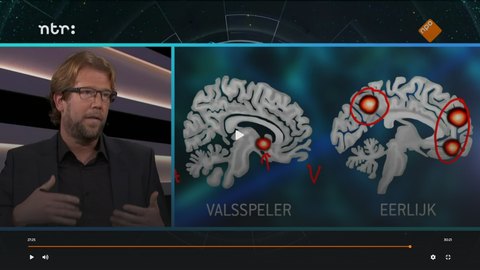
Naar aanleiding van het vermeende valsspelen van schaker Hans Niemann mocht ik aanschuiven bij Atlas op NPO2 om te praten over ons onderzoek over valsspelen. Het gedeelte over valsspelen is het laatste onderwerp van de aflevering.
dishonesty
14 september 2022 · NU.nl
Een pathologische leugenaar leeft in een wereld die gebouwd is op leugens. In dit artikel wordt kort ons onderzoek naar valsspelen aangehaald.
dishonesty
8 mei 2021 · Boksem & Smidts
Wat is de toegevoegde waarde van neurowetenschappelijke methoden zoals EEG en fMRI in marketing? Aan de hand van voorbeelden uit ons eigen werk, waarin we machine learning combineren met neuroimaging, laten we zien of we emoties, merkassociaties en koopgedrag kunnen aflezen uit het brein. Ten slotte kijken we vooruit naar de toekomst van neuromarketing.
neuromarketingdecodingneuroforecasting
27 November 2020 · RSM Discovery
We all regularly have the chance to lie and cheat for personal gain, yet most of us want to keep a positive moral self-image. It is generally assumed that cognitive control, or 'willpower', steers people away from immoral decisions.
8 May 2020 · RSM Discovery
People's social lives are full of conflicts between selfish urges and the welfare of others, and selfish motives often prevail. Little is known about the neurocognitive processes that determine whether people behave unethically or not. We investigated the causes of individual differences in the motivation to be fair or selfish.
17 July 2019 · RSM Discovery
Can we predict how strongly consumers will engage with a video? Research at Rotterdam School of Management shows that this is possible by measuring the brain responses of a small group of viewers, so that organisations can optimise their videos for higher engagement.
12 April 2019 · RSM Discovery
Measuring emotions has proven difficult. Researchers at Rotterdam School of Management developed a method that uses EEG to track, moment to moment, which emotions people experience while watching something.
1 April 2019 · Communication Director
Businesses spend considerable resources on crafting and broadcasting messages, but how much of it gets into the consumer's head? Instead of asking customers what they think, neuromarketers directly measure how their brains react.
8 June 2018 · RSM Discovery
Brand managers need to know whether consumers have the 'right' associations with their brands, but until recently they could only trust what consumers told them. Researchers at Rotterdam School of Management looked inside people's heads and found that brand image and brand image strength are clearly visible in the brain.
20 January 2017 · RSM Discovery
A TV advert works best when it both highlights a product's functional benefits and triggers the viewer's imagination. Brain scans showed that this combination activates specific brain regions most intensely, which makes the advert more effective.
7 July 2015 · RSM Discovery
Much of our mental processing, including consumer decisions, occurs at the subconscious level, which is why we often fail to predict our own choices. A new study provides the first evidence that brain measures add significant value to models for predicting consumer choice.